

It is also recorded in the equity section and remains unchanged unless new shares are issued or existing shares are repurchased by the company. Understanding the symbiotic relationship between retained earnings and contributed capital is essential for stakeholders to assess a company’s financial health and strategic direction. These components not only reflect past financial decisions but also shape the company’s future trajectory. By carefully managing both, a company can strike a balance between rewarding shareholders and investing in its growth, ensuring its competitiveness and success in the marketplace. Other equity accounts, such as common stock, preferred stock, and additional paid-in capital, represent the initial and subsequent investments made by shareholders.
Understanding Retained Earnings in the Balance Sheet: Classification, Recognition, Measurement and More

In this section, we will dive into the intricacies of contributed capital, exploring its various aspects and shedding light on its significance in assessing a company’s financial health. In the next accounting cycle, the RE ending balance from the previous accounting period will now become the retained earnings beginning balance. Retained earnings are not just https://tudonghoa247.com.vn/what-is-a-fair-value-hedge-in-accounting/ a reflection of a company’s past success but a foundation for its future growth. They allow businesses to self-fund their expansion, reduce reliance on external financing, and maintain control over their strategic direction.
- On the other hand, from a management standpoint, accounting for retained earnings is crucial for maintaining transparency and accurately reflecting the company’s financial position.
- The symbiotic relationship between retained earnings and contributed capital is a cornerstone of corporate finance, reflecting a company’s past successes and its potential for future growth.
- They play a critical role in funding growth initiatives, research and development, and improving financial stability by paying down debt.
- When a company pays dividends to its shareholders, it reduces its retained earnings by the amount of dividends paid.
- Reporting retained earnings involves calculating the beginning retained earnings, adding net income, and subtracting any dividends declared during the period.
- In contrast, when a company suffers a net loss or pays dividends, the retained earnings account is debited, reducing the balance.
The Relationship Between Contributed Capital and Retained Earnings

Together, these two components form a significant part of a company’s equity and are indicative of its financial health and history of profitability. Retained earnings represent the cumulative amount of net income that a company has retained, rather than distributed to shareholders as dividends. This financial metric is crucial for understanding how a company reinvests its profits back into the business for growth and development. Tracking retained earnings involves monitoring the changes in this account which is a subcategory of retained earnings? over time, which can provide insights into a company’s financial health and strategic decisions.
- Retained earnings reflect a company’s past success and future potential, while contributed capital represents the trust and commitment of its shareholders.
- Prototyping plays a crucial role in the product development process, allowing businesses to…
- Retained earnings are a component of shareholders’ equity, appearing on the balance sheet.
- Both types of accounts are integral to a comprehensive analysis of a company’s financial position.
Applications in Financial Modeling
- The accounting treatment for each is also distinct, with APIC only changing upon new stock issuance or treasury stock transactions.
- The allocation of retained earnings is a critical decision for businesses, as it can significantly impact their financial health and future growth.
- A positive Net Income reflects profitable operations and is immediately added to the existing RE balance at the end of the period.
- The statement of retained earnings is a financial report that outlines the changes in a company’s retained earnings over a specific period.
- Retained earnings are a part of net income, but it does not correspond to only the income of the current financial period.
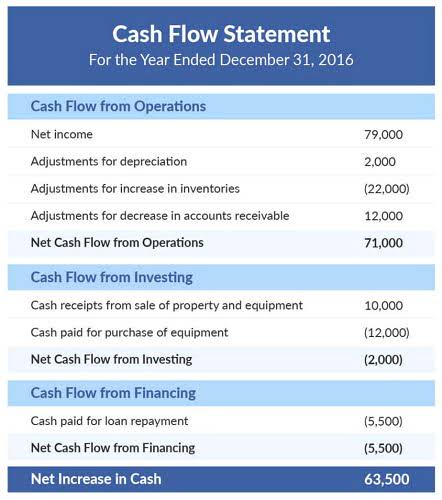
Retained earnings might not sound exciting, but this balance sheet number tells one of the most important stories about your business. It shows how much profit you’ve kept in the company after paying all of your expenses, taxes, and dividends. In other words, retained earnings are the portion of your earnings that can help you build something bigger. We can find the dividends paid to shareholders in the financing section of the company’s statement of cash flows.
Real Company Example: Coca-Cola Retained Earnings Calculation
Retained earnings and contributed capital are two fundamental components of a company’s equity. These elements not only reflect the financial history of a company but also its strategy and approach to balancing growth with shareholder value. Retained earnings represent the cumulative amount of net income that a company has reinvested in itself rather than distributed to shareholders as dividends. This reinvestment is a sign of confidence from the management in the company’s potential for future growth. On the other hand, contributed capital, also known as paid-in capital, is the total value of the cash and other assets that shareholders have given a company in exchange for stock. This represents the shareholders’ stake in the company and is a measure of the capital that has been contributed unearned revenue by them over time.
A. Key Features of the Statement of Retained Earnings

The symbiotic relationship between retained earnings and contributed capital is evident, as both are essential for a company’s development and long-term success. For investors and financial analysts, retained earnings are essential since they offer in-depth insights into a company’s long-term growth potential. A company with a high level of retained earnings indicates that it has been able to generate consistent profits, which can be used for reinvestment in the business or to fund future growth opportunities.